


The Sunk Costs of Life
Lately, I have been revisiting some of my old finance and economics books, pages filled with concepts like opportunity cost, risk-return tradeoffs and net present value. Among them, one concept that really struck me was sunk cost. In financial and economic decision-making, sunk costs are those past expenses, money already spent, time already invested, energy already poured in, that you simply cannot get back. The classic advice is straightforward: when deciding what to do next, sunk costs should not matter. They are done. Irrecoverable. What counts is the future, what choices today will bring you the best possible outcome tomorrow.
But the more I thought about it, the more I realized how deeply this principle resonates with our lives. How often do we keep dragging yesterday’s costs into today’s decisions? How often do we let our past investments, whether emotional, financial, or simply years of our life, dictate our future, even when they no longer serve us?
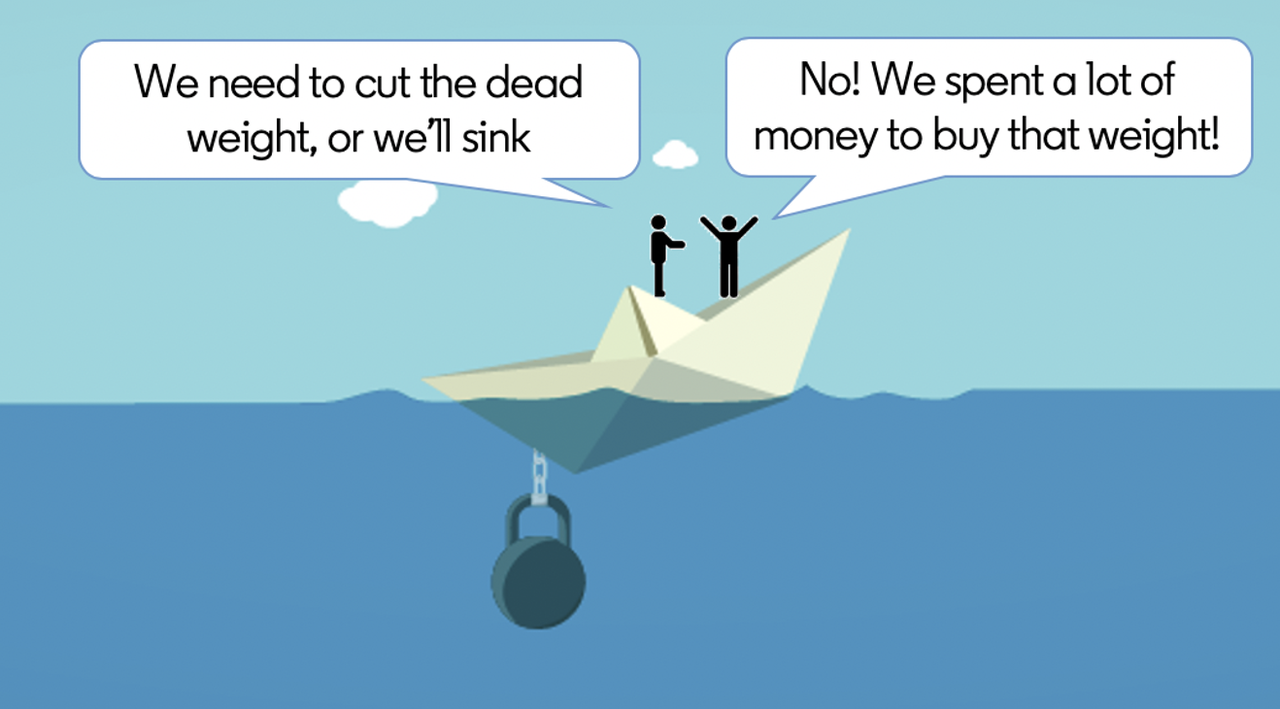
This is where the sunk-cost fallacy comes in. The sunk-cost fallacy describes our tendency to stick with a strategy or course of action simply because we have already invested heavily in it, even when all the evidence suggests that walking away would be the wiser choice. We stay in careers that drain us because we have “put in too many years to quit now.” We remain in relationships long past their expiration date because of “all the history we share.” We keep funnelling time, money, and emotional energy into ventures that are clearly failing, just because we have already poured so much into them. It is a psychological trap: our unwillingness to accept that what is lost is lost leads us to make decisions that only deepen our losses, robbing us of even more of our future.

But just like in finance, recognizing a sunk cost and the fallacy tied to it can be liberating. Yesterday’s actions are sunk costs. The job you spent five, ten, or twenty years in, the relationship you poured your heart into, the dreams you chased that did not quite materialize: those are investments you cannot recoup. They are paid for. Done. And crucially, they do not have to dictate where you go next.
Yes, sometimes yesterday’s choices leave traces on today and probably tomorrow. There are responsibilities, consequences, and memories that shape us. But that does not mean we have to keep paying. Just because you have invested heavily does not mean the smartest choice is not to stop right now and change direction. In fact, often it is precisely because you have already given so much that it is wise not to keep throwing good energy after bad.
Imagine what it might feel like to truly let yesterday stay where it belongs: behind you. To see the time, money, and emotional costs you have already paid as tuition for the lessons you have learned, not as debts that require you to keep doubling down. To recognize that you are allowed to pivot. That you can walk away from something that is no longer working, not because your past investment did not matter, but because it has already taken enough from you.
So the next time you are at a crossroads, torn by everything you have already poured in, ask yourself honestly: Am I moving forward because this is truly the best path for me now? Or am I stuck in the sunk-cost fallacy, clinging to something just because I have already paid for it?
Your past is already spent. Your future is still wide open. Let yourself make decisions that honour where you want to go, not just where you have been. Sometimes, the most courageous and profitable thing is not to keep fighting for what you have already invested in, but to walk away and start building something new with fresh eyes and renewed hope.

